
How to Size a Residential ESS for Daily Use and Backup
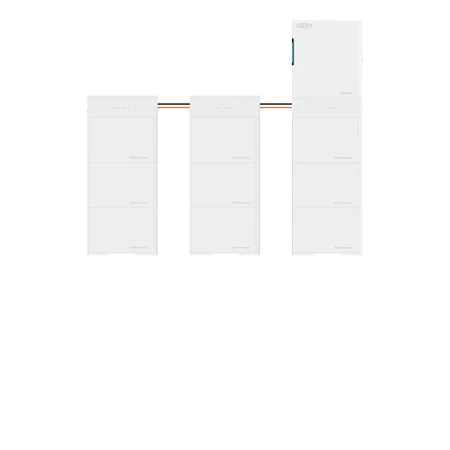
A residential ESS should be sized according to household electricity consumption, solar generation, backup needs, and future loads. A typical home using 20–35 kWh/day often requires a 10–20 kWh battery, while backup-focused systems may need 20–40 kWh. Battery usable capacity, inverter output, DoD, and seasonal conditions should be calculated together. A properly matched ESS can improve solar self-consumption by 20–50% and provide reliable backup during outages.
Residential ESS sizing starts with understanding how much electricity a home uses every day. Annual electricity bills provide a general estimate, but hourly consumption data gives a more accurate picture because household loads change throughout the day.
A home using 12,000 kWh per year consumes around 33 kWh/day on average. However, the battery should not always match the full daily consumption because some electricity is used while solar power is available.
For example, a household with rooftop solar may use 10 kWh during daylight hours and 18 kWh after sunset. The battery mainly needs to store the excess solar energy for evening and nighttime use.
A residential battery system is usually sized around the gap between solar production and household demand, not the total electricity used in 24 hours.
A common method is reviewing electricity data from smart meters over 30–90 days. This period can show average consumption, evening peaks, weekend differences, and seasonal changes.
| Household Type | Daily Electricity Use | Common ESS Size |
|---|---|---|
| Small home | 8–15 kWh/day | 5–10 kWh |
| Average family home | 15–35 kWh/day | 10–20 kWh |
| Large home with EV | 35–60 kWh/day | 20–40 kWh |
The next step is matching the ESS with solar generation. A residential PV system between 5 kW and 10 kW can produce approximately 20–50 kWh/day depending on location, weather, and season.
If a 7 kW solar system produces 35 kWh on a sunny day and the home consumes 12 kWh during daytime, around 23 kWh may be available for charging storage or exporting to the grid.
Battery size selection depends on how much of this excess electricity needs to be stored. Installing a 30 kWh battery for a home that only needs 10 kWh of evening energy may increase cost without improving daily usage.
| Example System | Data |
|---|---|
| Solar capacity | 7 kW |
| Daily solar production | 35 kWh |
| Daytime consumption | 12 kWh |
| Excess solar | 23 kWh |
| Recommended battery range | 10–20 kWh |
Electricity prices have increased in many regions since 2021, which has increased interest in residential storage. In markets such as Australia, Germany, and several U.S. states, homeowners often install ESS systems to store solar energy during the day and use it during higher-price evening periods.
Battery capacity calculations must consider usable energy instead of the nameplate capacity. Most residential lithium batteries do not use 100% of their rated capacity because manufacturers limit discharge depth to improve lifetime.
A battery rated at 15 kWh may provide around 13.5–14.2 kWh of usable energy if the system operates at 90–95% depth of discharge.
A basic calculation example:
| Parameter | Value |
|---|---|
| Required usable energy | 12 kWh |
| Depth of discharge | 90% |
| System efficiency | 95% |
| Required battery size | About 14 kWh |
Battery chemistry also affects the selection process. Lithium iron phosphate (LFP) batteries are widely used in residential ESS products because many models can reach 4,000–8,000 cycles under normal operating conditions.
Compared with older battery technologies, LFP systems generally provide better temperature stability and lower risk of capacity reduction during long-term daily operation.
The ESYsunhome residential ESS product line is designed for household applications where solar integration, energy storage, and backup power are combined in one system. More information about residential storage solutions can be found here: ESYsunhome residential ESS.
Daily energy use is only one part of ESS sizing. Backup operation requires a separate calculation because most households do not need to power every appliance during an outage.
A normal home may consume 40 kWh/day, but emergency operation may only require refrigerators, lighting, communication equipment, heating controls, and selected appliances.
| Appliance | Average Power | Daily Energy |
|---|---|---|
| Refrigerator | 100–300 W | 2–4 kWh |
| Internet equipment | 20–50 W | 0.5–1 kWh |
| LED lighting | 50–200 W | 0.5–2 kWh |
| Heating control | 50–500 W | 1–5 kWh |
A backup system designed for essential loads usually requires 5–15 kWh of usable energy for one day. A larger system between 20 kWh and 40 kWh may support several days depending on consumption and solar availability.
The inverter rating must also match the household loads. Battery capacity describes stored energy, while inverter power determines how many appliances can operate at the same time.
A 20 kWh battery connected to a 3 kW inverter may store enough electricity for long operation but cannot supply high-power appliances simultaneously.
Typical inverter selections include:
| Application | Battery Size | Inverter Output |
|---|---|---|
| Basic backup | 5–10 kWh | 3–5 kW |
| Solar self-use | 10–20 kWh | 5–8 kW |
| Whole-home backup | 20–40 kWh | 8–15 kW |
Some appliances require higher startup power than their normal running power. Refrigerators, pumps, and air conditioning units may briefly require 2–5 times their rated power when starting.
Therefore, inverter selection should include both continuous output and short-term surge capability.
Electric vehicles are becoming another factor in residential ESS planning. A typical EV consumes around 15–20 kWh per 100 km, depending on vehicle size and driving conditions.
A household driving 50 km per day may add approximately 7–10 kWh of electricity demand. Over time, EV charging can increase household electricity use by 30% or more.
For homes planning future EV adoption, modular battery systems can provide more flexibility. Many residential ESS platforms allow expansion from 5 kWh to more than 30 kWh by adding battery modules later.
Climate conditions also influence battery sizing. Cold temperatures can reduce charging performance, especially below 0°C. Some systems include battery heating to maintain normal operation during winter.
High temperatures also affect battery aging. Continuous operation above 40°C can accelerate capacity loss, so outdoor installations often require thermal management or protective enclosures.
A suitable ESS design should include:
| Factor | Typical Range |
|---|---|
| Daily household consumption | 15–60 kWh |
| Residential PV size | 3–10 kW |
| Battery capacity | 5–40 kWh |
| Usable DoD | 80–95% |
| Round-trip efficiency | 85–95% |
| Battery cycle life | 4,000–8,000 cycles |
Energy management software has become common in residential storage systems after 2020. These platforms can schedule charging based on solar production, electricity prices, and household consumption patterns.
In time-of-use electricity markets, smart charging and discharging can reduce annual electricity costs by approximately 10–30% compared with basic battery operation.
A well-sized residential ESS should provide enough stored energy for daily solar use, enough power for selected backup loads, and enough flexibility for future electricity demand. A 10–20 kWh system fits many average homes, while larger homes with EVs or extended backup requirements may require 30 kWh or more.
See your numbers 23 days earlier.
Book a 30-minute walkthrough with a solutions engineer. Median time-to-first-insight: 14 minutes from signup.
▶ Get a live demo →